Introduction to Trump’s Statement
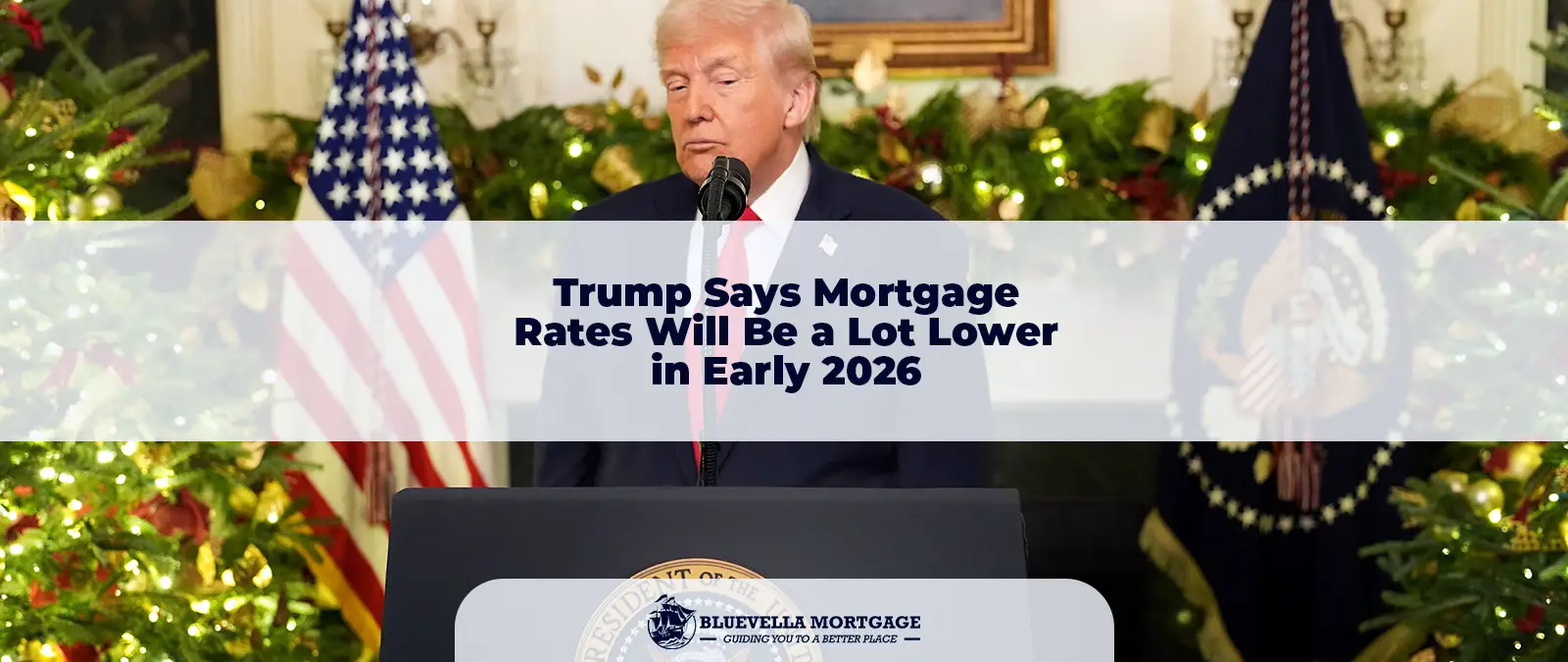
Recently, former President Donald Trump expressed his belief that mortgage rates would decrease by early 2026. This prediction was made during a public appearance where Trump was addressing a crowd of supporters, drawing attention to the ongoing discussions of economic recovery and housing market dynamics. His remarks came against the backdrop of fluctuating interest rates and ongoing inflation concerns, which have been a focal point in both public policy and individual financial planning.
Trump’s statement seems to resonate well with many who are keeping a close eye on the housing market. With mortgage rates having hit peaks that have not been seen in over a decade, the potential for a decline offers a glimmer of hope for prospective homebuyers who may have felt priced out of the market due to high borrowing costs. The former president’s assertion also reflects a broader optimism that a shift in the economic landscape could lead to better conditions for both buyers and sellers alike.
The implications of such a prediction are notable. If Trump’s forecast proves accurate, lower mortgage rates could spur renewed interest in home purchases, thus invigorating the housing market. Additionally, existing homeowners might consider refinancing their current mortgages to take advantage of potentially lower rates, which could lead to increased consumer spending and further stimulate the economy. This potential shift could have a rippled effect across various sectors linked to real estate and finance, leading to enhanced market activity and possibly fostering economic growth.
Understanding Mortgage Rates
Mortgage rates represent the interest charged on a loan used to purchase real estate, typically expressed as an annual percentage rate (APR). These rates are vital for both homebuyers and the broader economy, as they determine the overall cost of financing a home. Understanding how mortgage rates are set is crucial for prospective homeowners.
Several factors influence mortgage rates significantly. One of the primary determinants is the overall economic environment, particularly inflation and employment rates. When the economy is strong, and employment is high, consumer demand tends to rise, leading to increased rates. Conversely, in a weakened economy, mortgage rates may decrease to encourage borrowing and stimulate the market.
Federal Reserve policies also play a critical role in the determination of mortgage rates. The Federal Reserve, through its monetary policy, influences overall interest rates in the economy by adjusting the federal funds rate. When the Fed raises rates to combat inflation, mortgage rates often follow suit. On the other hand, if the Fed lowers rates in an effort to boost the economy, mortgage rates tend to decrease, offering potential savings to homebuyers.
Market demand is another factor that can affect mortgage rates. If there is a high demand for housing and a limited supply of homes, mortgage rates can rise as lenders seek to capitalize on the increased competition among buyers. Conversely, if there are more homes for sale than potential buyers, lenders may lower their rates to attract customers. Thus, mortgage rates are not static but rather fluctuate based on these economic indicators and policies.
For homebuyers, understanding mortgage rates is commonplace in making informed decisions about financing. A lower mortgage rate can lead to significant savings over the life of a loan, making the decision of when to buy a home even more critical.
Current Trends in Mortgage Rates
As of October 2023, mortgage rates have been exhibiting considerable volatility, responding acutely to various economic factors. Recent data indicates that average mortgage rates have risen significantly over the past year, with the average rate for a 30-year fixed mortgage hovering around 7% compared to approximately 3% just two years prior. This sharp increase is largely a result of inflationary pressures and the Federal Reserve’s ongoing monetary policy adjustments aimed at stabilizing the economy.
Over the past several months, mortgage rates have shown fluctuations, peaking in the early summer of 2023 before undergoing slight corrections. Analysts attribute these trends not only to inflation but also to prevailing economic conditions including labor market dynamics, consumer confidence, and global economic uncertainties. The Federal Reserve’s policies, particularly its interest rate hikes, have created a ripple effect in the housing market, making borrowing more expensive and consequently cooling down demand.
Furthermore, government policies aimed at controlling inflation have played a crucial role. Adjustments in the federal funds rate directly impact mortgage rates; as the Fed raises rates to combat inflation, lenders also increase their rates to mitigate risk. Moreover, the continuing supply chain issues and labor shortages have further contributed to the rising costs associated with home building, making housing less affordable for potential buyers. These market pressures influence both supply and demand dynamics in the real estate sector, ultimately affecting mortgage rates.
In summary, the current trends in mortgage rates reflect a complex interplay of inflation, economic policies, and market responses. Understanding these trends is essential for potential homebuyers and investors, especially in light of predictions regarding future mortgage rate movements.
Economic Indicators Affecting Future Rates
The future of mortgage rates is intricately linked to various economic indicators that shape the financial landscape. Among these indicators, inflation rates play a critical role. Inflation, which measures the rate at which the general price levels of goods and services rise, directly influences the purchasing power of consumers. High inflation can lead to increased mortgage rates as lenders seek to compensate for the eroding value of money over time. Conversely, low and stable inflation can foster lower mortgage rates, creating a more favorable borrowing environment for potential homeowners.
Another significant factor is employment figures, which reflect the health of the labor market. A robust employment sector often correlates with increased demand for housing, thereby putting upward pressure on mortgage rates. When more people are employed, consumer confidence rises, leading to heightened home purchases and, consequently, increased competition for mortgages. Thus, monitoring employment trends provides crucial insights into potential movements in the housing market and mortgage interest rates.
Gross Domestic Product (GDP) growth is equally vital. As GDP reflects the overall economic health and productivity of a country, strong GDP growth typically signals a thriving economy, which in turn can lead to higher mortgage rates due to increased spending. The Federal Reserve’s interest rate policies also play a pivotal role in mortgaging trend shifts. When the Federal Reserve adjusts interest rates in response to economic conditions, it directly influences borrowing costs across the board, including mortgages. An increase in the federal funds rate generally translates to higher mortgage rates as lenders pass on the costs to borrowers.
In conclusion, understanding these economic indicators—inflation, employment figures, GDP growth, and Federal Reserve policies—offers valuable insights into the future direction of mortgage rates. As we move toward early 2026, monitoring these variables will be essential for potential homebuyers and investors alike, as they navigate a changing financial landscape.
Reactions from Financial Experts
Donald Trump’s recent prediction regarding lower mortgage rates by early 2026 has elicited various responses from financial analysts, economists, and real estate experts. Many professionals in the financial sector have been compelled to evaluate the validity of this forecast, considering the current economic climate, inflation rates, and historical trends in mortgage pricing.
Some analysts remain optimistic about the potential for lower mortgage rates. They argue that if inflation subsides and the Federal Reserve adjusts interest rates appropriately, we could see a favorable shift in the mortgage lending landscape. This group emphasizes that well-calibrated economic policy combined with a robust housing market may lead to interest rates that benefit homebuyers by 2026.
Conversely, other experts are more cautious about Trump’s prediction. They point out the unpredictable nature of economic factors, such as geopolitical events, supply chain disruptions, and ongoing inflationary pressures. According to these analysts, while it is pragmatic to hope for lower mortgage rates, the numerous uncertainties cast doubt on the feasibility of such a rapid decline within the specified timeline.
Moreover, real estate analysts offer additional insights into how these anticipated changes may influence housing demand. They note that even if mortgage rates decrease, the overall housing market’s competitiveness, price levels, and local economic conditions will play a crucial role in shaping buyer behavior. Thus, experts highlight that potential homebuyers should remain informed and adaptable in light of such predictions.
In summary, the financial community exhibits a range of perspectives on Trump’s forecast of lower mortgage rates by early 2026. The interplay of various economic indicators and market dynamics will ultimately determine the reality of mortgage rates in the years to come.
Implications of Lower Mortgage Rates
Lower mortgage rates can have profound implications for both home buyers and the housing market as a whole. When mortgage rates decrease, it typically enhances home affordability for prospective buyers. This is particularly significant in a market where housing prices may be rising. As borrowing costs diminish, more people are likely to qualify for mortgages, increasing demand for homes. Consequently, this heightened demand could stimulate more activity in the housing sector, creating a ripple effect that influences related industries such as construction and home improvement.
Furthermore, lower mortgage rates often correlate with a rise in home sales. As home ownership becomes more attainable, many buyers may feel encouraged to enter the market, completing transactions they may have previously deemed unaffordable. This surge in home purchases has the potential to elevate housing prices in certain areas, particularly if inventory remains limited. Economists often track these trends, noting that sudden spikes in demand might push prices upward, counteracting some of the intended benefits of lower interest rates.
The effects extend beyond individual buyers and sellers; the overall economy might benefit as well. Increased consumer spending is likely to occur as people invest in their new homes—through renovations or furnishings—thereby stimulating local businesses linked to the housing market. Additionally, a robust housing market can contribute to job creation within the construction and related industries, enhancing economic growth. However, it is crucial to monitor how these changes influence inflation and interest rates and to remain vigilant about potential market fluctuations that might arise from these new dynamics.
Comparison with Historical Rates
When assessing Trump’s prediction of lower mortgage rates by early 2026, it is essential to contextualize this forecast against historical mortgage rate trends. Over the decades, mortgage rates in the United States have exhibited significant fluctuations influenced by various economic factors, monetary policy decisions, and market dynamics. Historically, the rates have experienced peaks and troughs, creating a complex narrative of housing affordability and borrower decisions.
During the late 1970s and early 1980s, for instance, mortgage rates soared to unprecedented highs, with average rates surpassing 18%. This was largely attributed to high inflation rates and the Federal Reserve’s aggressive monetary tightening. Conversely, the financial crisis of 2008 precipitated a period of rapid decline in mortgage rates, with the Federal Reserve implementing measures to stimulate the economy; rates dropped to historically low levels, providing homeowners with unprecedented affordability.
In the years since, mortgage rates have shown a continued downward trend, reflecting a general formula where ease of credit and economic growth contributed positively. By the early 2020s, average mortgage rates hovered around 3% to 4%, presenting an attractive climate for home buyers. However, the market dynamics are always changing, and trends indicate that political and economic events can swiftly influence mortgage financing. As such, evaluating Trump’s optimism about rates decreasing further involves careful consideration of not only his prediction but the broader economic environment.
Given these historical patterns, Trump’s assertion that mortgage rates will be lower by 2026 must be viewed through a lens of cautious optimism. While historical data indicates periods of notable drops, external factors such as inflation control efforts, changes in government policy, and global economic conditions will ultimately determine the validity of his forecast.
Potential Risks and Considerations
Predicting future mortgage rates can be challenging due to the inherent unpredictability of the financial markets. While former President Trump has expressed optimism regarding lower mortgage rates by early 2026, several factors could influence the accuracy of such forecasts. The economy is subject to a myriad of influences, ranging from changes in government policy to shifts in global economic conditions.
One significant risk is the possibility of unexpected geopolitical events. For instance, tensions in international relations or sudden conflicts can lead to market volatility, which often impacts interest rates and, consequently, mortgage rates. Additionally, the economic landscape is susceptible to sudden downturns that may undermine consumer confidence and investment, pushing mortgage rates in an upward direction rather than the anticipated decline.
Furthermore, inflation rates play a critical role in determining mortgage rates. Should inflation rates surge beyond expectations, the Federal Reserve may respond by increasing interest rates to control price levels, which would contradict predictions of lower mortgage costs. On the other hand, if inflation stabilizes, it could lead to a favorable environment for lower mortgage rates.
Market participants must also consider the lending conditions and the housing market’s health. Constraints on lending due to tighter financial regulations can impact mortgage availability and pressure rates upward. Additionally, fluctuations in housing demand can affect overall financial stability in the sector. Therefore, while the prediction of lower mortgage rates by early 2026 gives hope to potential homebuyers, it is essential to remain cautious and mindful of the multifaceted risks that could alter the trajectory of mortgage rates.
Conclusion and Future Outlook
As we analyze Donald Trump’s prediction regarding lower mortgage rates by early 2026, it is essential to navigate through the complex landscape of economic indicators and potential developments in the housing market. Trump’s assertion indicates a positive outlook, envisioning a scenario where improvements in the economy and housing sector significantly reduce borrowing costs for homeowners and prospective buyers alike.
While many advocates of Trump’s perspective point to historical trends suggesting mortgage rates may decrease alongside a strengthening economy, it is equally important to remain cautious. Various factors, including inflation rates, Federal Reserve policies, and global economic conditions, can influence mortgage rates in unpredictable ways. Economic forecasts can be altered by unforeseen events, such as geopolitical tensions or financial crises, thereby affecting lending rates despite optimistic projections.
Moreover, the housing market operates uniquely within local contexts. While a national average may paint one picture, regional differences may still yield variances in mortgage rates based on demand, inventory, and local economic performance. As we approach 2026, it is imperative for potential homebuyers to stay informed about both local market conditions and broader economic trends.
In summary, while Trump’s prediction presents a hopeful scenario for those seeking lower mortgage rates, maintaining a balanced perspective is advisable. Keeping abreast of the latest economic developments and adjusting one’s strategies accordingly will be crucial for homebuyers and investors as we move towards 2026. Engaging with financial advisors and mortgage experts will also help individuals navigate this uncertain landscape effectively. By weighing both optimistic and cautious viewpoints, stakeholders can better prepare for whatever the future may hold in the housing market.
Follow us:
Know more about Bluevella Mortgage.